Urkerveld is pearl in the making
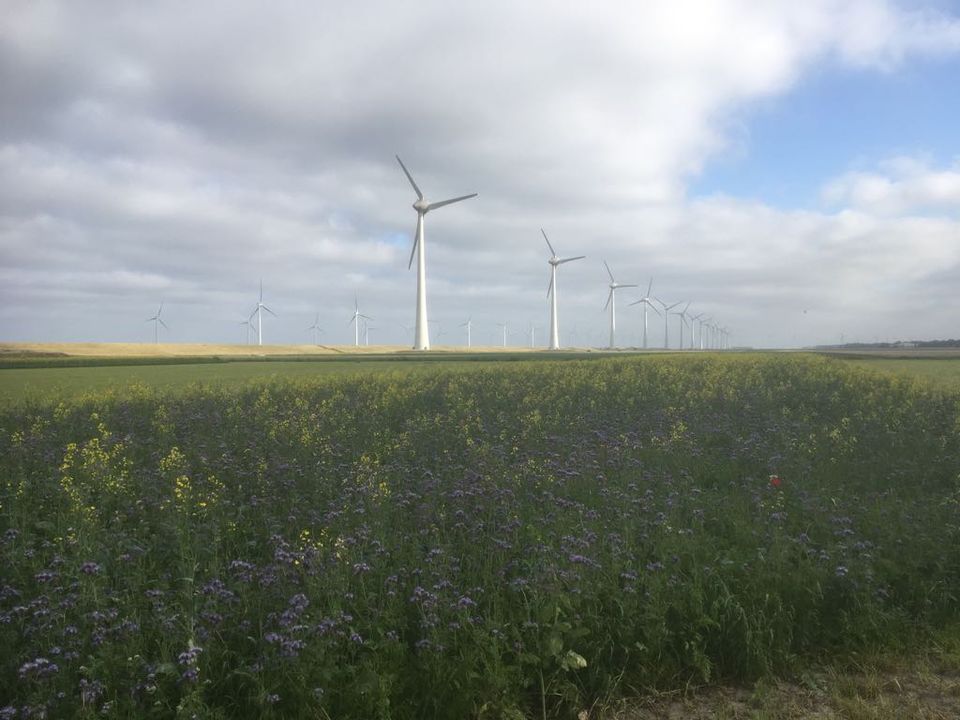
The Urkerveld is new nature reserve on the north side of Urk. It is managed by Het Flevo-landschap and connects the Urkerbos with the open waters of the IJsselmeer behind the dike: from an old forest through a thicket of bushes with flowers and fruits to an open landscape with herb-rich grassland, and then up the mighty dike.
Ecologist Linde van der Burgh - About the Urkerveld
Nature development
The area is still developing, but has everything to become a spectacular nature reserve where many special birds, butterflies and dragonflies will feel at home. 'You already saw several plant species in Urkerveld last year that show it is not 'just' grassland here,' says Linde van der Burgh enthusiastically.
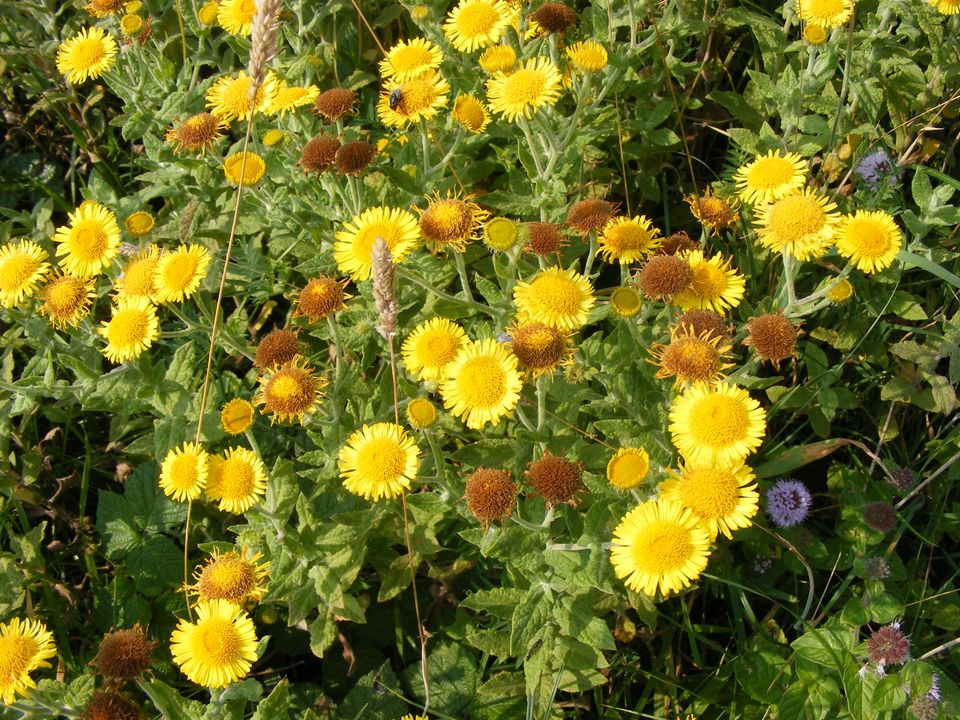
The ecologist from Het Flevo-landschap regularly visits the area and what she finds there makes her feel positive. 'Heelleaves, a species with beautiful yellow flowers with lots of nectar and pollen, is found in the polder mainly in somewhat moister places where the nutrient richness is not so great. The presence of little stork's broom and smooth wallow show well that Urkerveld has real potential to become a beautiful and flowery grassland.'
New residents
Species such as buckled foxtail, rough rush, rush, lesser cattail and common watermoss like wet feet and have already been found in the Urkerveld. As a result, grassland butterflies, such as the great tadpole and brown sandpiper, have also been seen regularly in the area.
Both butterflies are critical and only occur in structure-rich grasslands with a lot of diversity in grasses and flowers, while curlew, lapwing, skylark and marsh harrier also visit the area to look for food. 'And with the work still being carried out this year, we can raise these ecological values even further,' says Linde.
Nature to experience - in the Urkerveld
Landscape development
The Urkerveld (29 hectares) used to be difficult agricultural land. 'The municipality of Urk worked out the plans together with Het Flevo-landschap, and together we are developing an area in the interest of nature and nature experience,' says Nicole Bakkum, project manager at Het Flevo-landschap. 'The Urkerveld is typically an area where that can go together.'
Cycling and walking in new nature
The new nature reserve forms a transition zone between the Urkerbos, which Het Flevo-landschap has been managing since 1994, and the open landscape towards the dike. This also makes the area interesting for recreationists.
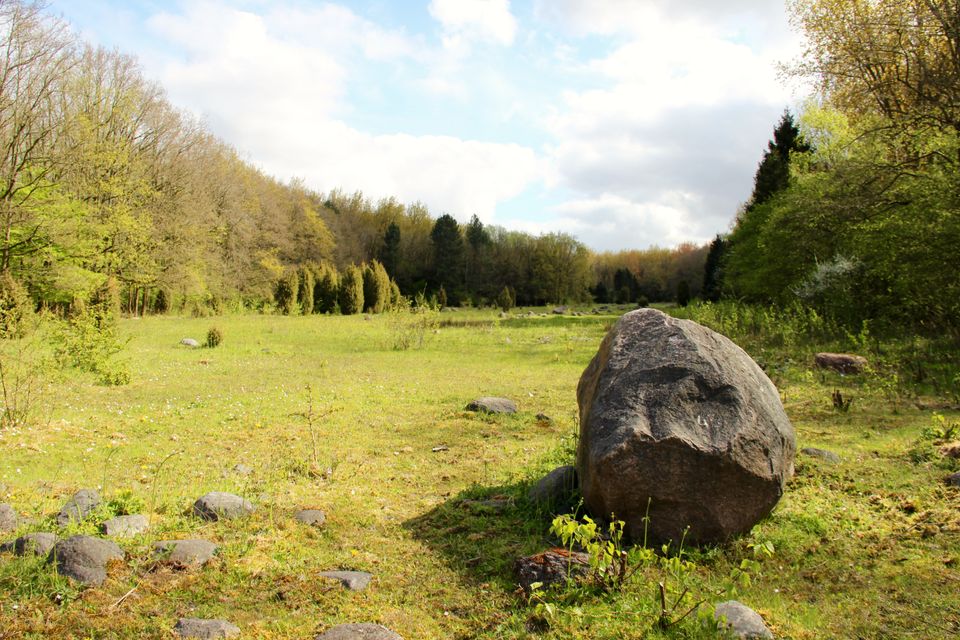
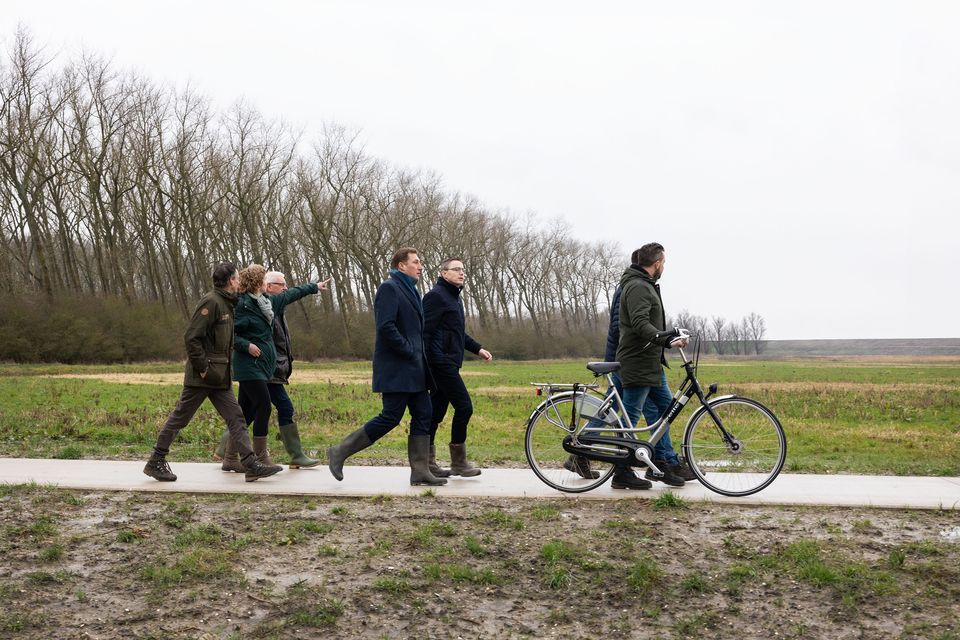
The municipality constructed a cycle path through the Urkerbos and Urkerveld, which was opened in February 2020. While cycling and walking, you can thus enjoy the different types of nature. The new cycle path runs alongside the P. van der Lijn Geological Reserve located in the Urkerbos. The reserve contains very old boulders left behind after the second last ice age.
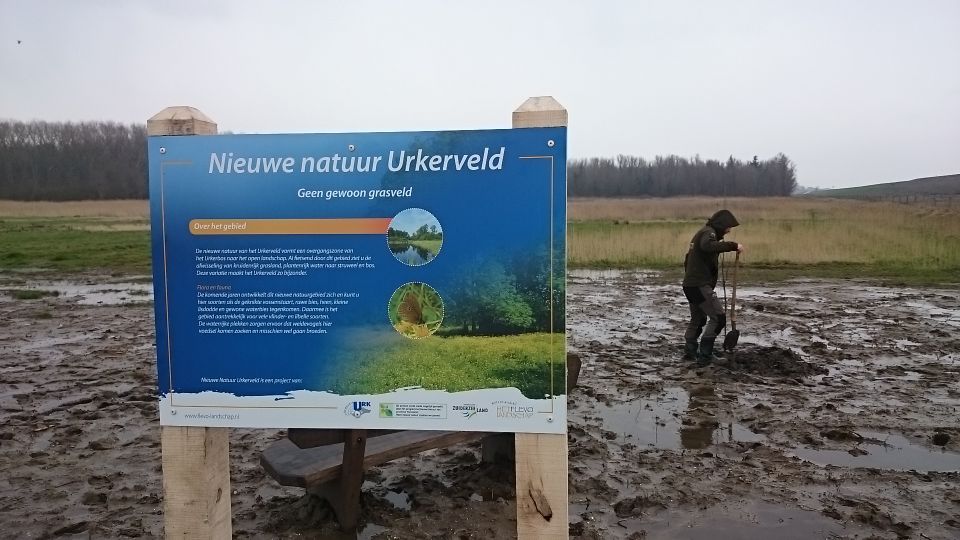
Keileem - as soil
New nature
'When you realise new nature, soil and water are an important starting point,' says Linde. In the Urkerveld, the soil largely consists of a thick layer of boulder clay. Boulder clay has the special characteristic that it contains few nutrients, so you can expect many types of plants and flowers.
In addition, the water system is of interest. 'The boulder clay does not allow water to pass through and also barely absorbs water. In wetter periods, rainwater remains on the boulder clay and this can create wetlands.'
The forest edge will have flowering and fruit-bearing shrubs. These are important for small mammals, birds, butterflies and other insects. Further towards the dike, this gradually changes into herb-rich grassland. The ditch from the dike to the woods will change into a wide ditch with structurally rich banks.
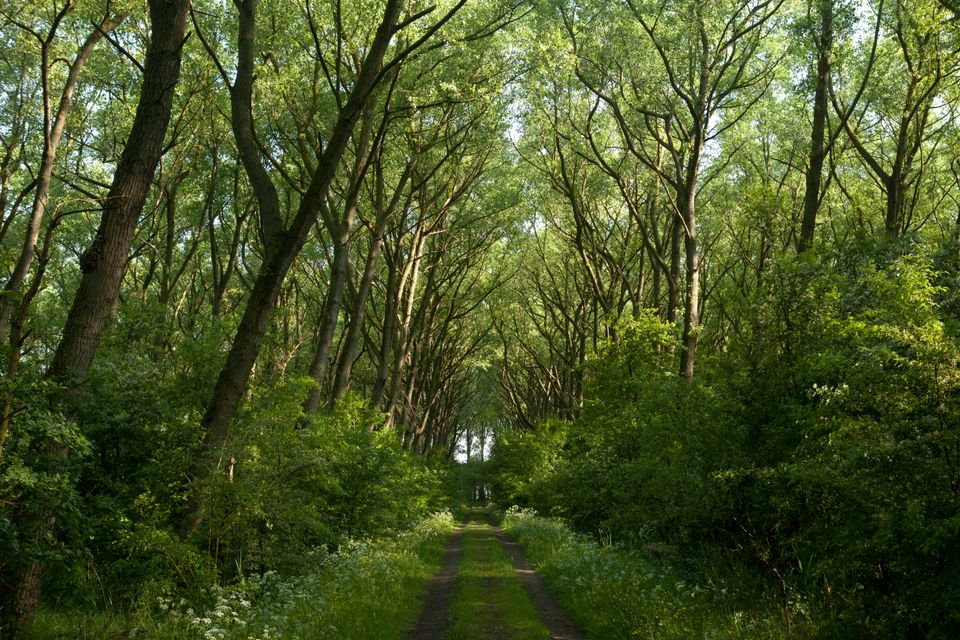
Dragonflies
The forest edge will have flowering and fruit-bearing shrubs. These are important for small mammals, birds, butterflies and other insects. Further towards the dike, this gradually changes into herb-rich grassland. The ditch from the dike to the woods will change into a wide ditch with structurally rich banks.
Linde expects the plant-rich water to attract many different dragonflies over time. "Think of the glass cutter, early glazier and maybe even a brown warbler," says Linde. "Also some armoured dragonflies, such as wandering armoured dragonfly or tawny armoured dragonfly, feel perfectly at home in drying or rapidly warming waters. It would be wonderful to see them here too! On the moist to drier parts, true cuckoo flower, field lathyrus and great rattle are most welcome. And of the butterflies, brown blue, black-spotted tadpole, haybird, lesser firefly, icarus blue and the already present great tadpole are welcome species."
Birds - Find food on Urkerveld
Biodiversity
'Furthermore, we hope that skylarks and meadow pipits will breed here in abundance. In summer and winter, various birds, such as egrets and meadow birds, will come here to forage for food. From the forest edge, the area can also be put to good use as a hunting area for birds of prey such as sparrow hawk and goshawk.'
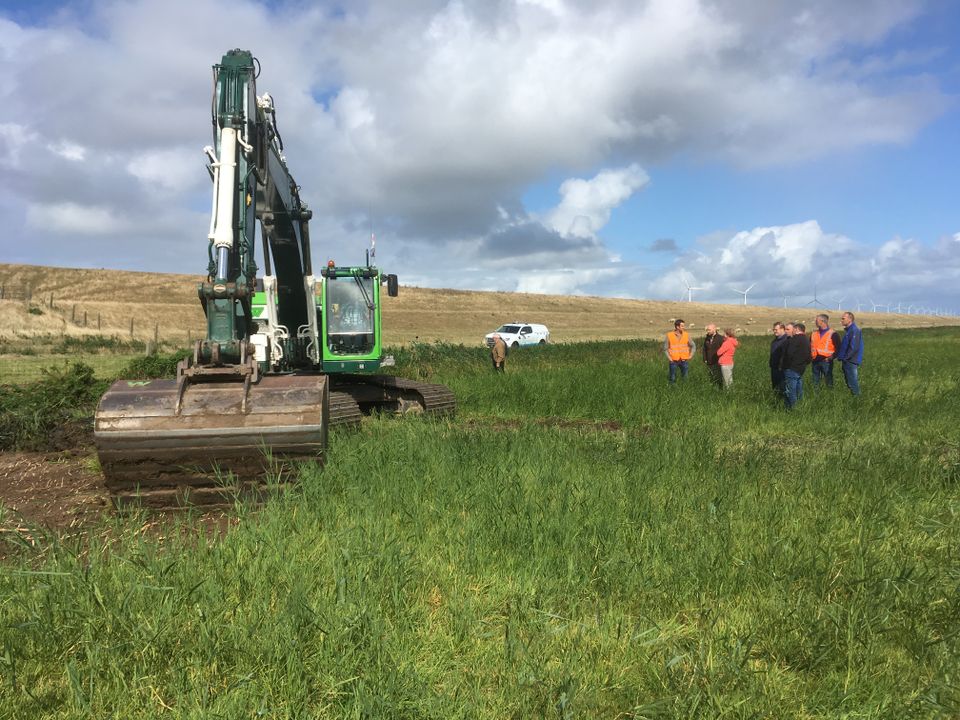
The Urkerveld is then truly bursting with biodiversity. If all goes as planned, Het Flevo-landschap will complete work on developing new nature in the Urkerveld by the end of 2020.
Written by Flevo-Landschap