
The largest man-made land in the world
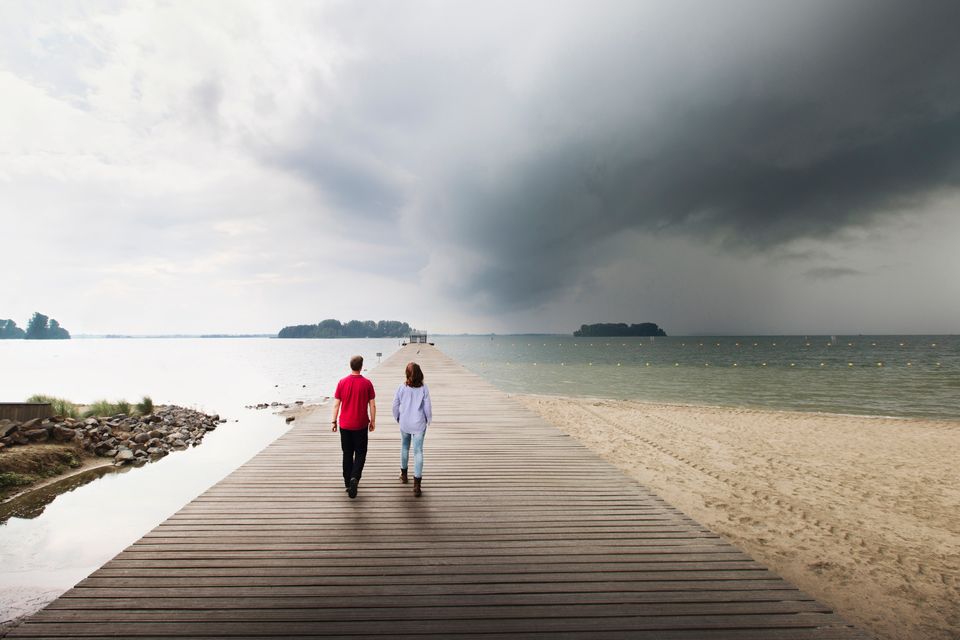
Where the sea became land
You have to be bold to build a province from scratch. That’s exactly how Flevoland came to life: land imagined, engineered, and reclaimed from the sea. Four metres below sea level, protected by strong dikes, it is a place where human creativity shapes the land—and the land shapes people. Flevoland is never finished, and its wide-open spaces are invitations for bold ideas. The sky is not the limit here; it’s the starting point.
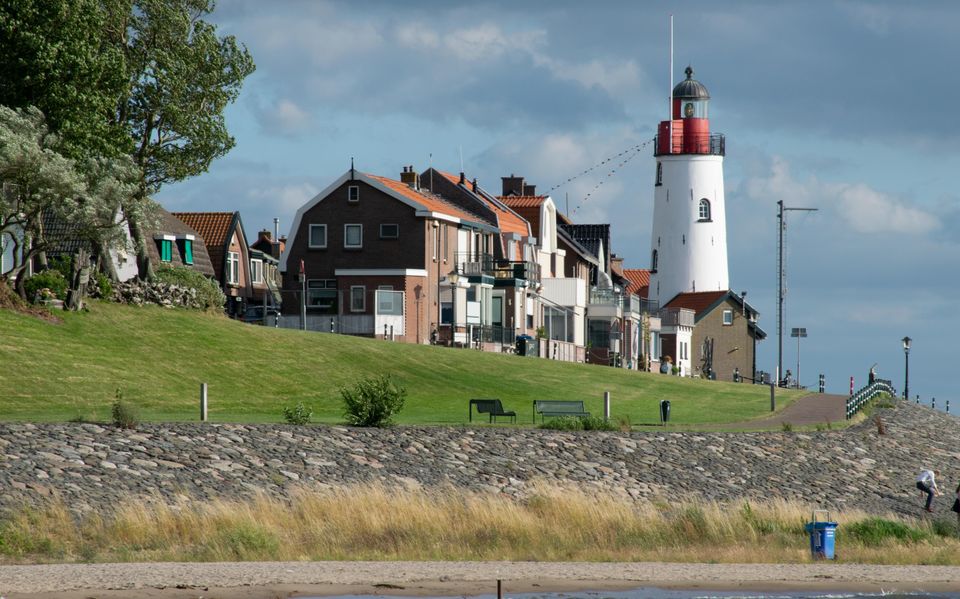
Flevoland’s three polders form the largest man-made land in the world. Former Zuiderzee islands Schokland and Urk were woven into this new landscape, turning history into a foundation for the future. Here, unusual ideas become everyday reality. Wind turbines rise to harness the elements, dikes are strengthened in innovative ways, and experimentation is part of life.
Designed nature became wild polder. Wetlands, young forests, and the Marker Wadden islands have given fish, birds, and plants a second chance to thrive. Nature and human innovation grow together, each inspiring the other.
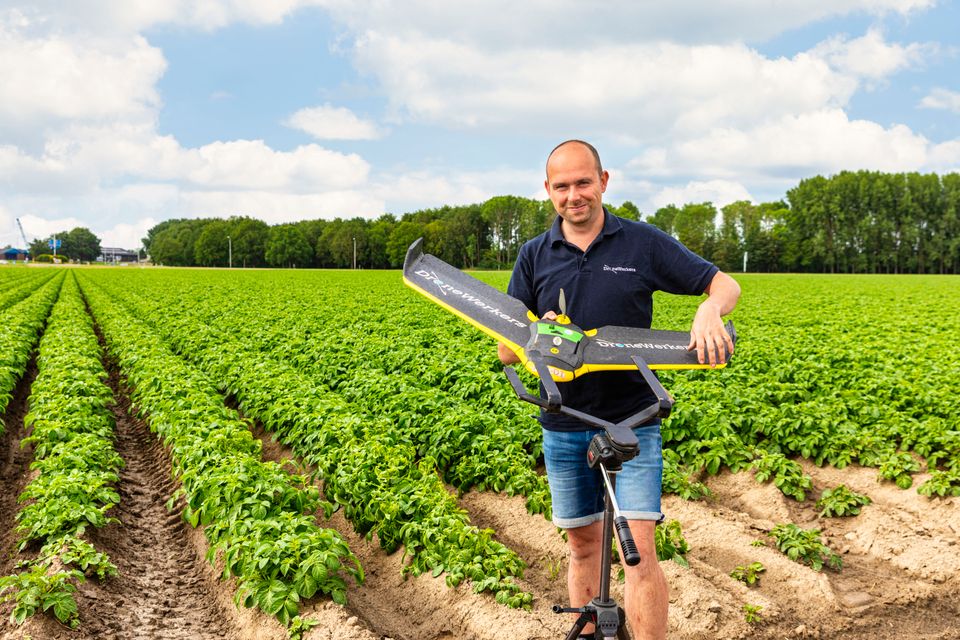
Flevoland is also a global agricultural powerhouse. Its fertile soils produce wheat, barley, sugar beets, potatoes, onions, and high-quality vegetables like cabbage, lettuce, beans, and rapeseed. Advanced greenhouses, precision farming, and sustainable techniques ensure maximum yield, proving that land reclaimed from the sea can feed the world.
Beyond nature and agriculture, Flevoland offers space for innovative ways of living. Modern eco-neighbourhoods, floating homes, and energy-positive buildings rise alongside traditional communities, turning bold ideas into daily life.
From Nationaal Park Nieuw Land to Batavialand, where maritime history meets underwater archaeology, Flevoland is a province born from imagination, shaped by design, and alive with innovation. It is open, bold, and future-ready—the New Dutch spirit made tangible in soil, water, nature, homes, and human creativity.