Story Eurobottle
-
Eurobottle
100% recyclable water bottles and water bottles
In our country's youngest province, you get all the space you need as an entrepreneur to grow. To pursue your dreams. The bottom of the former Zuiderzee is bursting with entrepreneurial spirit. Flevoland is clearly different. You see it and you feel it.
Sugar cane waste
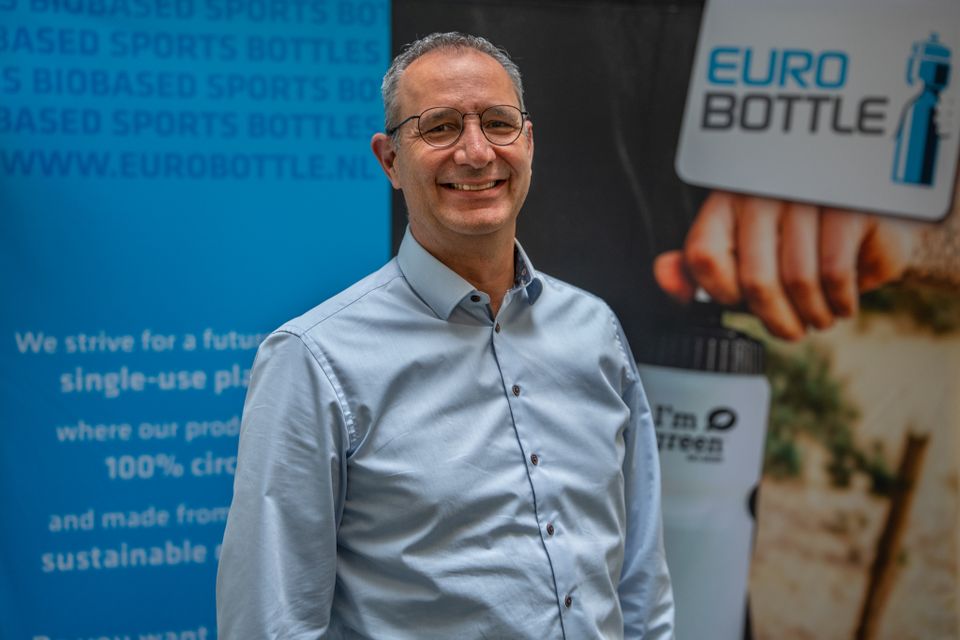
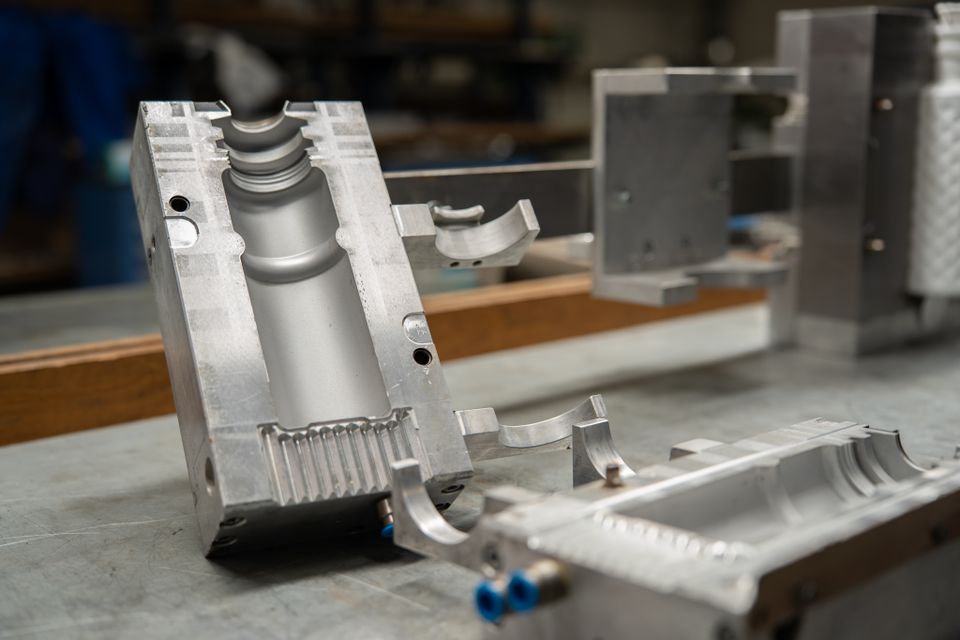
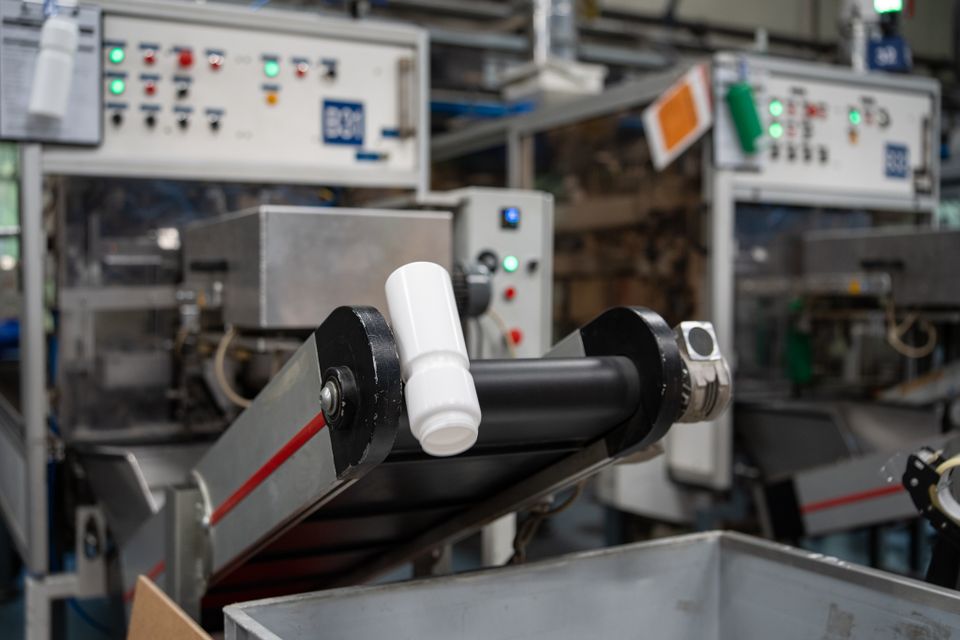
Knowledge, quality and innovation. That's what Eurobottle stands for. The Dronten-based company is 30 years old and has been producing water bottles and water bottles from sugarcane waste for more than 10 years. "Completely biobased, therefore," says commercial director Peter Westveer proudly. "Plastic is a beautiful material, but unfortunately it has a negative image. Just think of litter plastic and plastic soup. With our method of production, we prove that things can be done differently. TheCO2 emissions we save on an annual basis are equal to the amount ofCO2 you emit when you drive a car around the world 500 times."
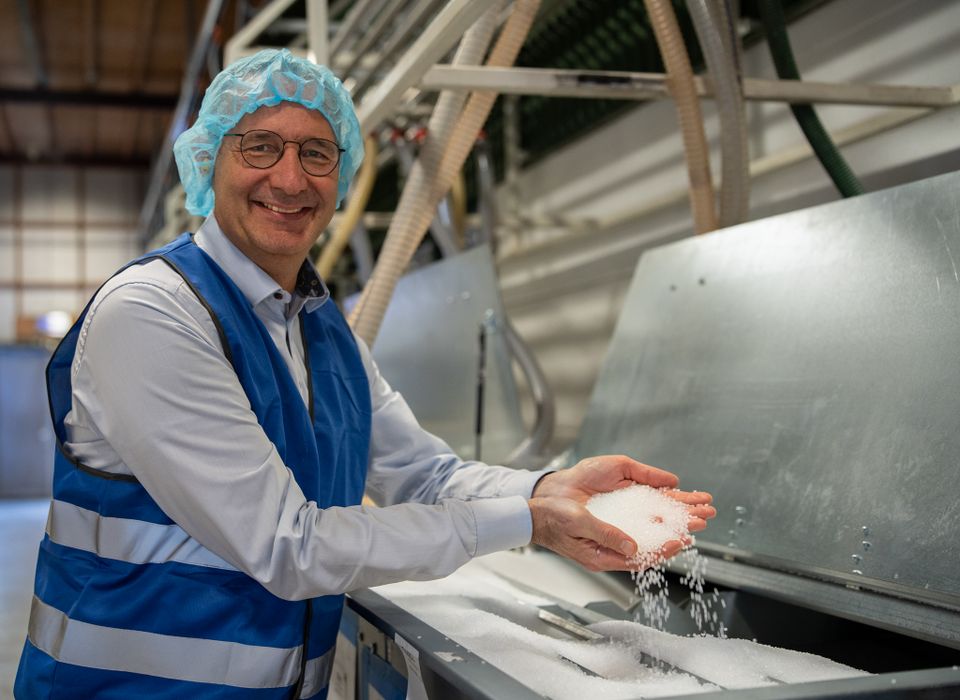
Eurobottle's water bottles and water bottles are 100% recyclable. The basis for the plastic used by Eurobottle is bioethanol. "This substance is extracted from sugarcane waste and has the same composition and quality as plastic made from petroleum," Westveer explains. "During growth, sugarcane absorbs large amounts ofCO2 from the air. As a result - until it is processed into plastic - it has negativeCO2 emissions of 2.12 kilograms. Fossil raw materials, such as petroleum, have positive emissions of 2.5 to 3 kilograms."
Sugar cane comes from plantations in southern Brazil, about 3,000 kilometres south of the Amazon. "So no rainforest was sacrificed for these plantations," Westveer says. "A nice bonus is that sugar cane does not deplete the soil. In short: sugar cane is an incredibly sustainable raw material."
Reducing ecological footprint
From Dronten, Eurobottle supplies more than 20 European countries. Germany is the largest market, but the company also has many customers in the Netherlands, Scandinavia and Lanzarote. Since Eurobottle switched to fully biobased production, sales have increased significantly. Many companies want to reduce their ecological footprint and therefore choose Eurobottle.
"Our water bottles and water bottles can simply go in the dishwasher and last for years," Westveer continued. "Unfortunately, they still too often end up in the residual waste at the end of their useful life. This is why we support the ClubHub project. This initiative encourages people to bring their old sportswear, sports materials and water bottles to collection stations at sports clubs. They are then turned into new sports materials. Thus, the circle is complete again."
In addition, Eurobottle is testing a new material: polyhydroxyalkanoate (PHA). This type of plastic is made by micro-organisms, which produce the substance in their cells. This makes PHA fully and rapidly compostable. "We still have many steps to take, but the first results are promising," Westveer said.
Plenty of room to do business
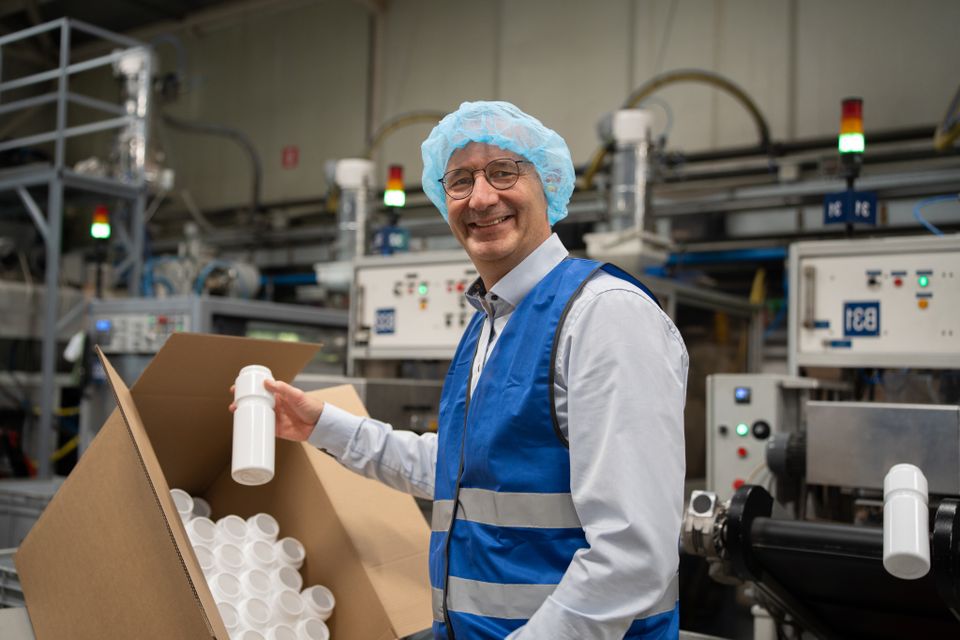
Eurobottle has been in Dronten for years. On Pioniersweg, the company has a 7,000-sqm complex, consisting of its own production line, offices and a warehouse. "A nice place, where we have plenty of room to do business," says Westveer. "The location is relatively central in the Netherlands, which is favourable for logistics."
Many of the 75 employees are from Flevoland. That is why Eurobottle is very happy with the widening of the road at Roggebotsluis. "This has greatly improved our company's accessibility. It's great that people are literally working on the road in Flevoland."