Story farm of the future
-
Flevoland
Silicon Valley of arable farming

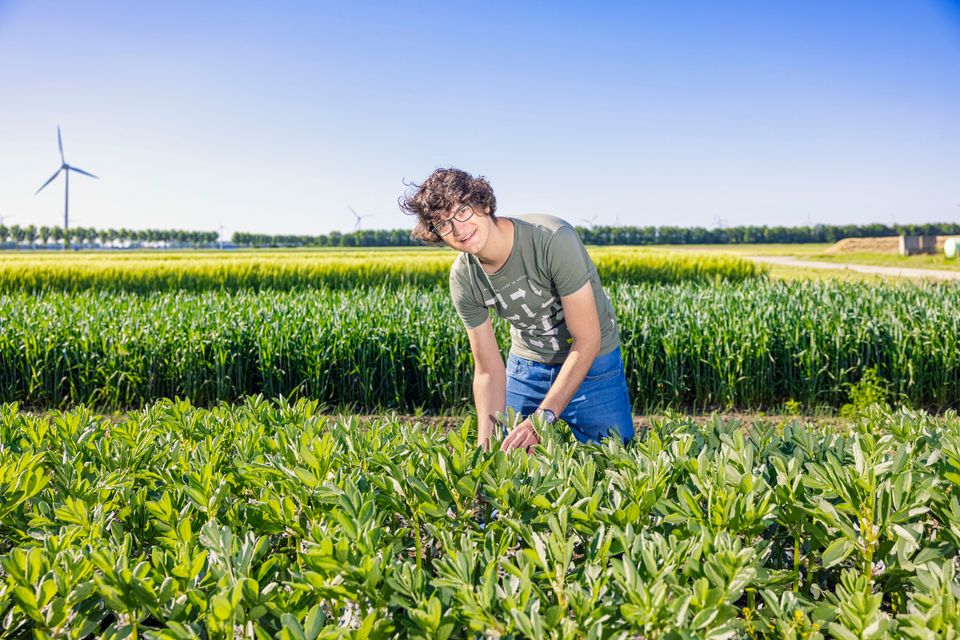
Flevoland. The rugged Zuiderzee became land. Fertile, man-made land, destined for food production. Koen Klompe grew up in this new land. He is an organic arable farmer and one of the faces of the Farm of the Future. 'Flevoland is the heart of (organic) arable farming. Together we are looking for ways to bring in more biodiversity.'
The space - to undertake large-scale
An important agricultural area
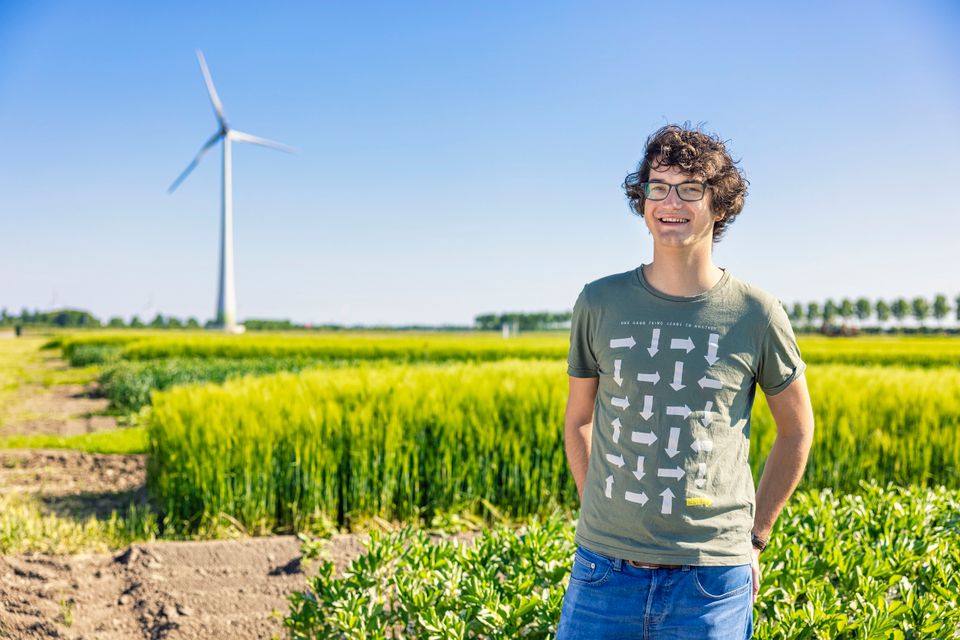
Flevoland is still an important agricultural area. The vast majority of potatoes, carrots, onions, beets, wheat and barley found in supermarkets come from Flevoland soil. Speaking is Koen Klompe. He is a practical researcher in sustainable agriculture at Wageningen Research (WUR), runs an organic arable farm in Biddinghuizen with his parents, as well as being project leader of the fieldlab Farm of the Future in Lelystad. Flevoland was built for farming. As an arable farmer here, you literally have the space to do business on a large scale'.
Balance between nature and landscape
At the pilot site in Lelystad, WUR works for the Ministry of Agriculture Nature and Food Quality and the province of Flevoland on viable solutions to the challenges facing agriculture. Finding a middle ground between nature and landscape with as little nitrogen emission as possible. The agricultural plots on this new land are large and characterised by clean, dead straight lines. 'Compared to other parts of the Netherlands, you have less biodiversity here. What will it take to increase it?'
Strip farming
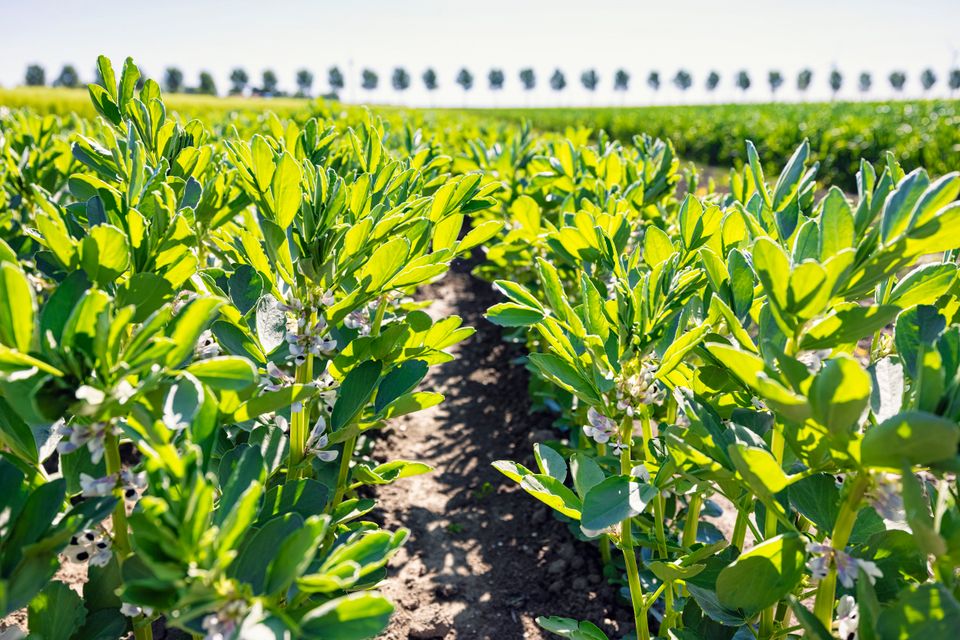
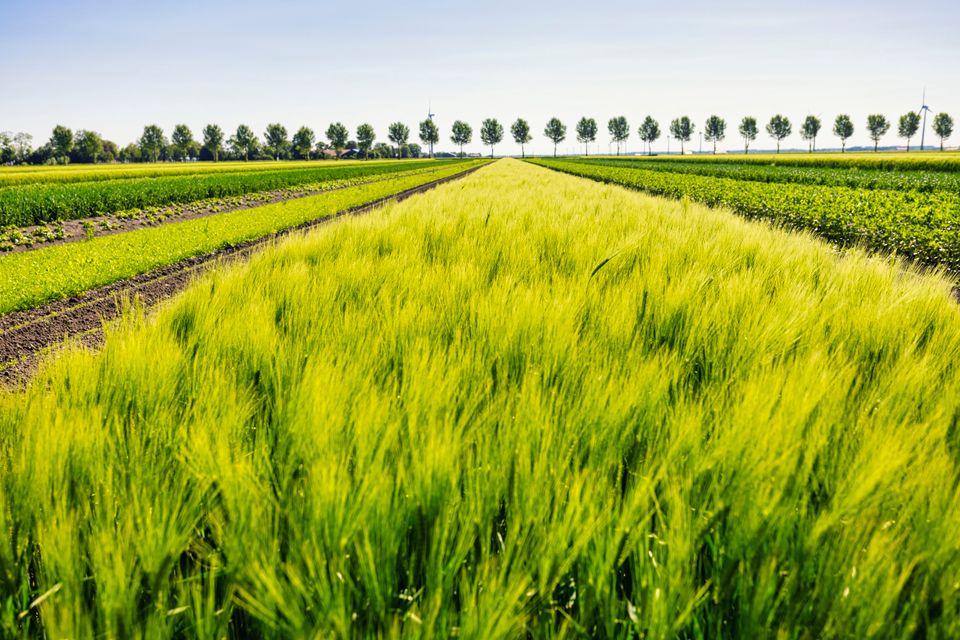
Two strips of different cultivation, for example. An innovative cultivation system where an arable farmer grows two or more crops in strips next to each other. And not an entire plot with one crop, as now. This is being experimented with on the experimental fields of the Farm of the Future. Potatoes, onions, carrots, wheat, barley and beetroot are all mixed together. This benefits biodiversity and should any plants fall ill, the disease spreads less quickly,' he says.
Flevoland - room for innovation
Testing ground for arable farming
All those different crops also attract natural enemies, such as the ladybird and the ground beetle. These are not controlled with chemicals. 'Because we grow in strips, there is always a piece of land nearby that is green and provides a hiding place for natural enemies.' Therein lies the challenge for agriculture: less plant protection products.
Future-proof form of agriculture
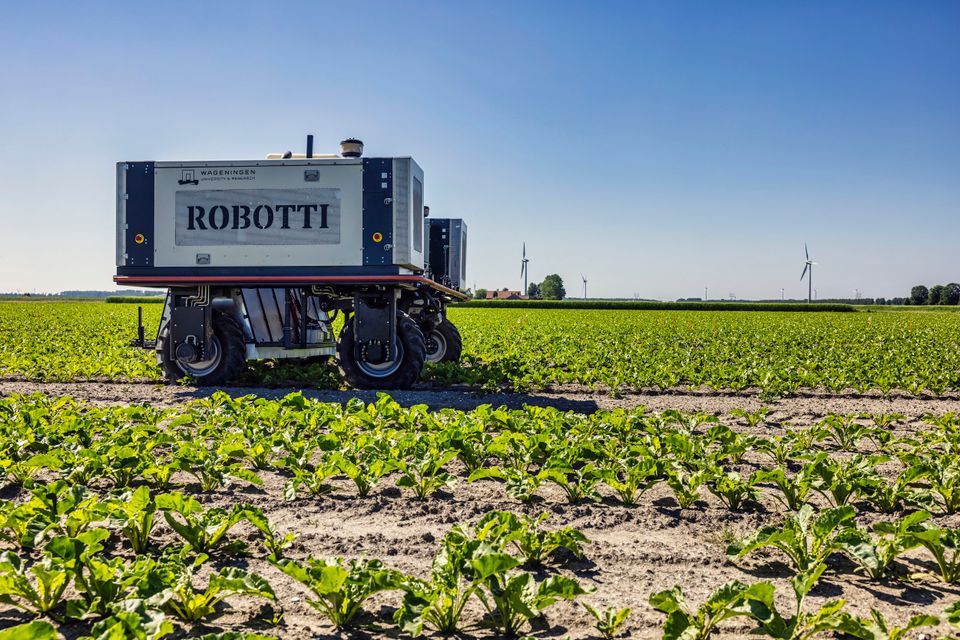
The Farm of the Future is the testing ground for Dutch arable farming and shows what is possible. Such as strip cropping, fixed paths to conserve soil, wide crop rotation with eight crops, the use of robots for weeding and the use of data.'We do not provide a blueprint, but show the various possibilities for a sustainable, future-proof form of agriculture. Flevoland is pre-eminently the place to do that. I sometimes say: this new country is the Silicon Valley of arable farming.'