World heritage site and water icon Schokland
Amid the sleek lines of the Northeast Polder lies a place that cannot be captured in straight shapes. Schokland. Once an island in the wild Zuiderzee, now a green elevation in the polder land. Anyone walking around here is walking over thousands of years of history. Not for nothing did the former island of Schokland receive UNESCO World Heritage status in 1995.
According to marketing officer Bas Visscher of Museum Schokland, the power of Schokland lies in the story of people who lived here with the water. 'On Schokland, you can see a history of habitation going back some 10,000 years. That is quite unique in Western Europe. From prehistoric times to today: people have always lived here on, around and with the water.'
One big archaeological monument
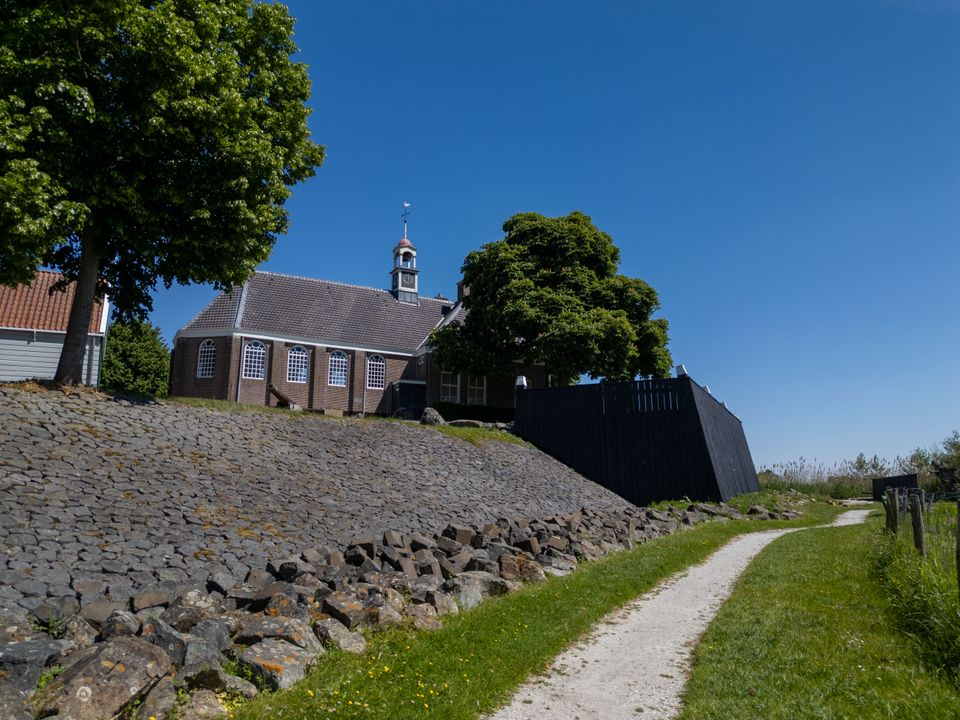
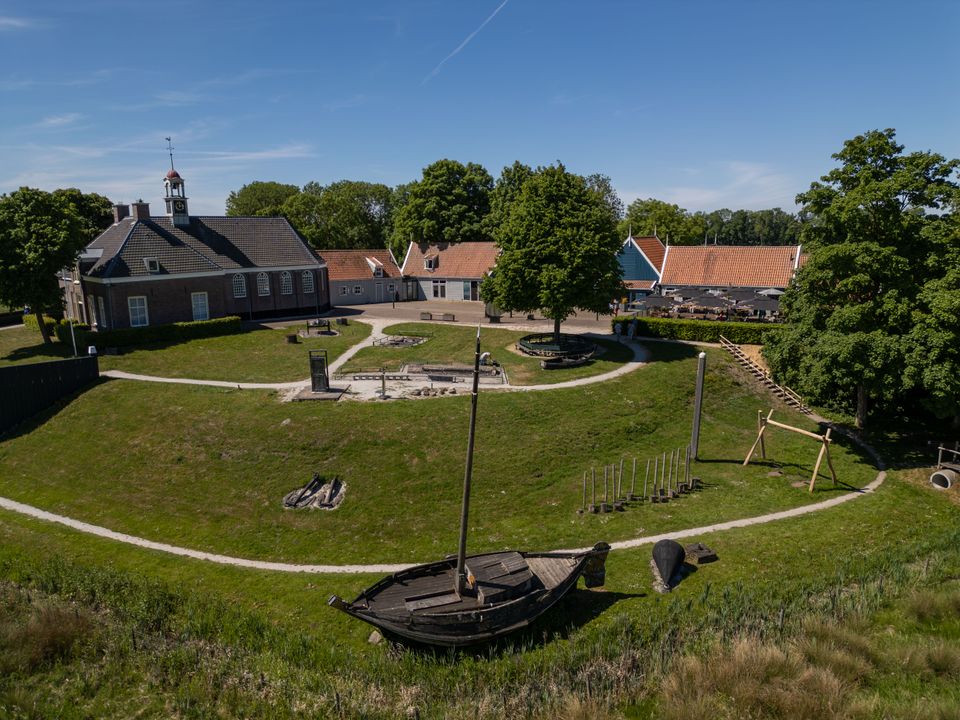
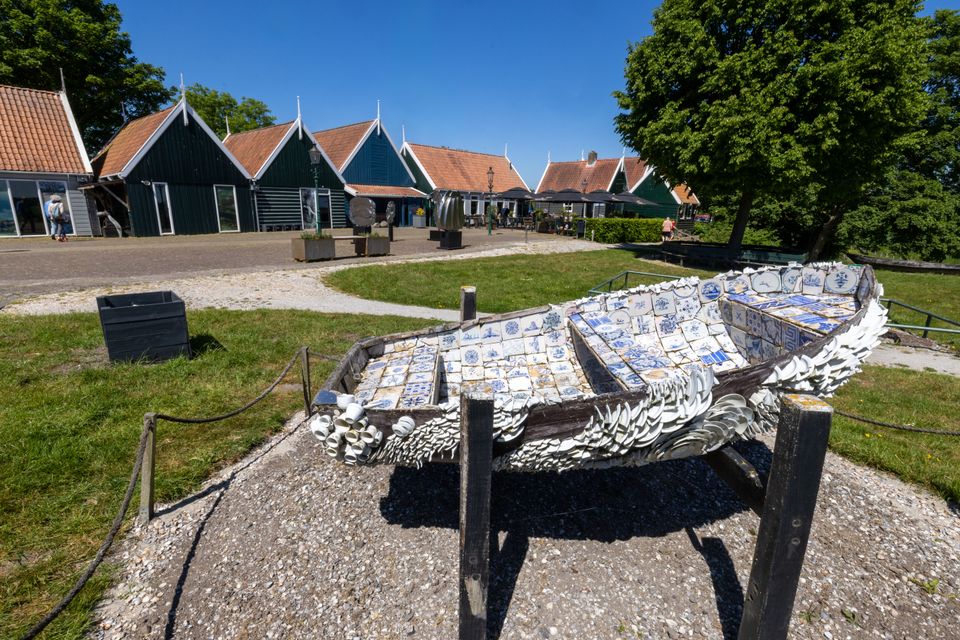
Schokland is one big archaeological monument. In Museum Schokland, around the characteristic little church, the past becomes tangible. Visitors take a journey through time: from the Ice Age with mammoths, through centuries of habitation on mounds, to reclamation and found shipwrecks.
Much of this archaeological wealth came to light after the reclamation of the Northeast Polder in 1942. When Schokland lost its island status and became part of the new land, countless finds were made during reclamation. 'Schokland did not actually fit into the rigid drawing-board society of the polder,' Bas Visscher says. 'But precisely because of those finds, it gained a place all its own. The soil told its story,' he says enthusiastically.
World heritage in miniature
In 1995, UNESCO awarded Schokland World Heritage status. 'Because of the special combination of a long history of habitation and rich archaeology. Moreover, Schokland is located in the river delta of the IJssel and Vecht rivers. As a result, the island not only tells its own story, but also that of the Netherlands in miniature.'
An important chapter is the story of the islanders, the Schokkers. They had to leave their island in 1859 because of extreme poverty. The museum displays simple utensils and jewellery. 'They had very little,' he says. 'And that is precisely what makes their story so human and poignant.' Themes of the past are still recognisable. Living with water, dealing with climate change, living together on a small piece of land and the relationship between residents and government. '
Peace, space and experience
For visitors, Schokland feels like a quiet, almost hushed place. You walk or cycle along the edge of the former island and stand with one leg in the old country and the other in the polder. On one side, the relief of Schokland. On the other, the vast fields.
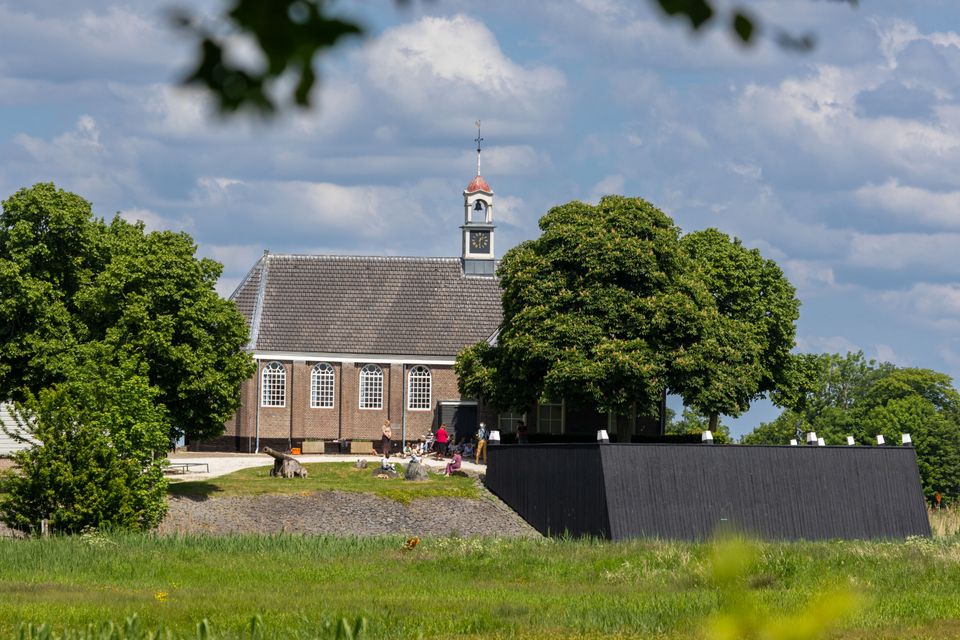
'People are looking for peace, space and meaning here,' Visscher says. 'My personal favourite place? The museum church! That's one of the few buildings that still truly date from the island period. Standing there and looking out over the bottom of the former Zuiderzee, you immediately feel how special this place is.'
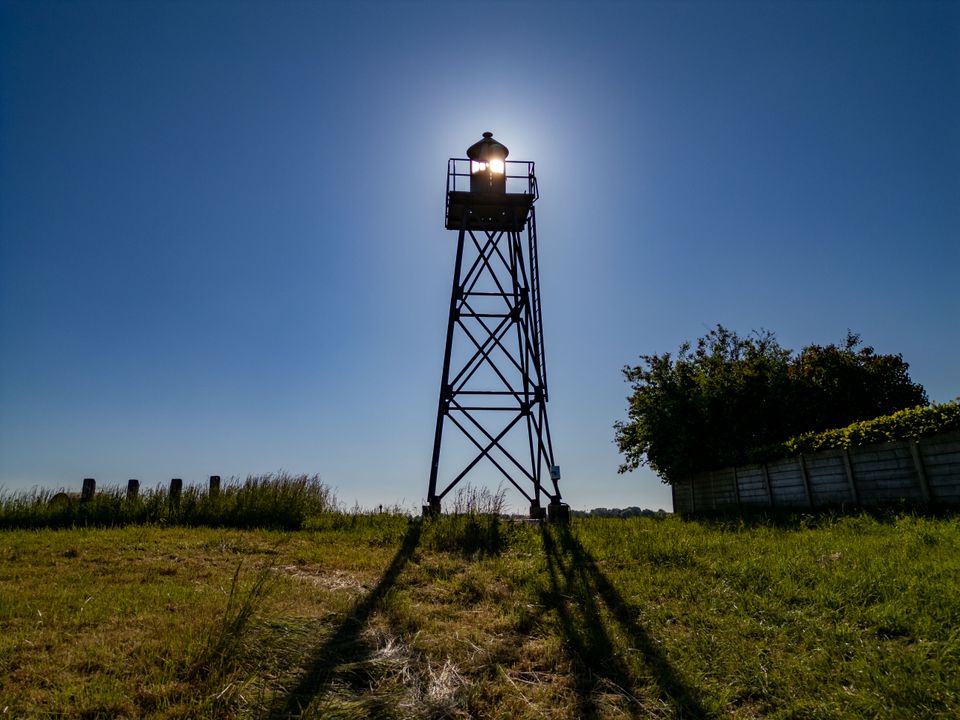
World heritage site Schokland
'Our history goes back further than the battle against water. In prehistoric times, hunters and fishermen lived here. Only much later, in the 12th century, residents made mounds against the washing waters of the then very raging Zuiderzee. A battle they lost in 1859, also forced by poverty.'
'Schokland will eventually be preserved. It is an island on dry land after the reclamation of the Northeast Polder in 1942. Unique, and with a story from prehistory to the present. Standing on the north side of the island now, you can well imagine that there was a harbour here. Descendants of the Schokkers love to tell about it.'
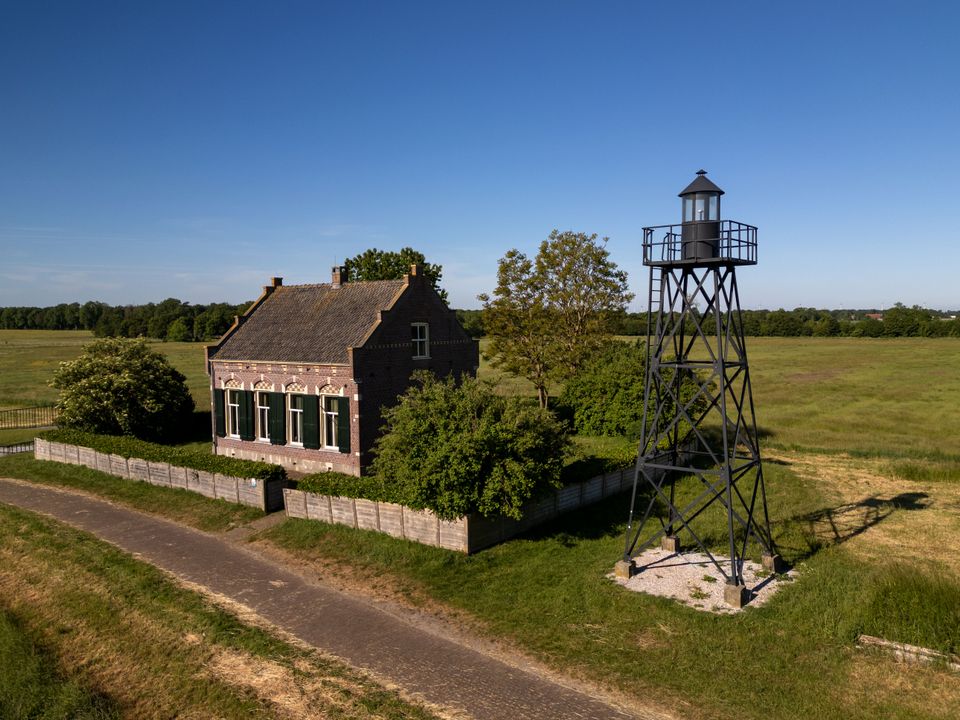
On foot or by bike
World Heritage Schokland and its museum have many national and international visitors. From culture lovers to recreationists who visit the area on foot or by bike, sometimes to discover that the proud descendants of the Schokkers still like to tell their stories. About the Schokker highway, for example: a narrow gangway on stilts that connected mounds at high tide.